Notre Dame Paris Cathedral: A Complete 2025 Guide After Reopening
Your complete 2025 guide to visiting the reopened Notre Dame Cathedral in Paris. Get the latest on tickets, opening hours, dress code, and what to see inside.
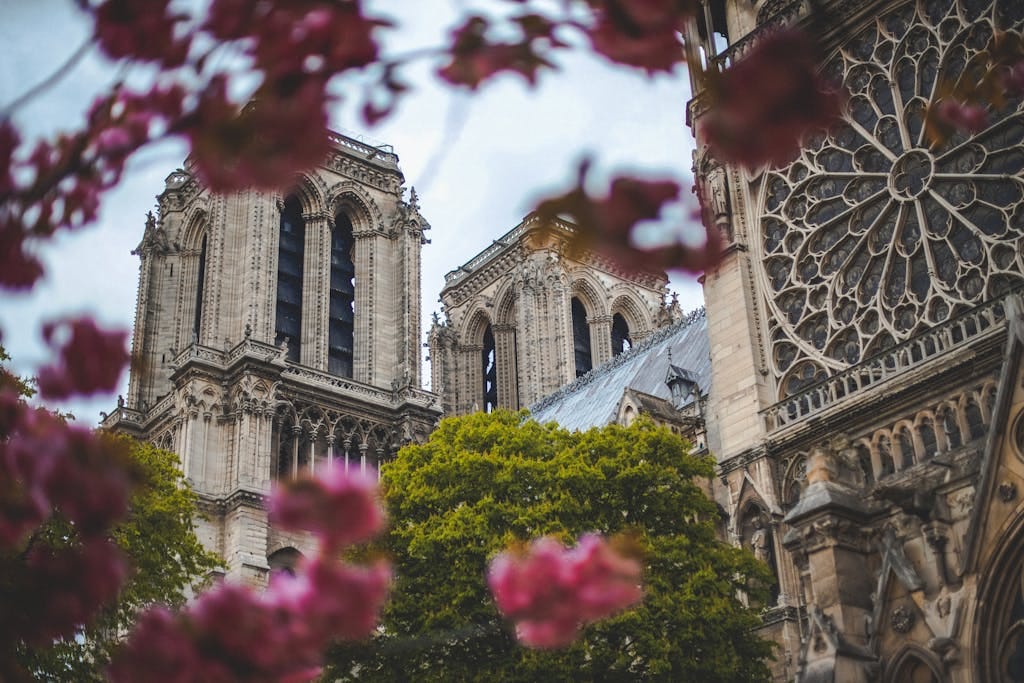
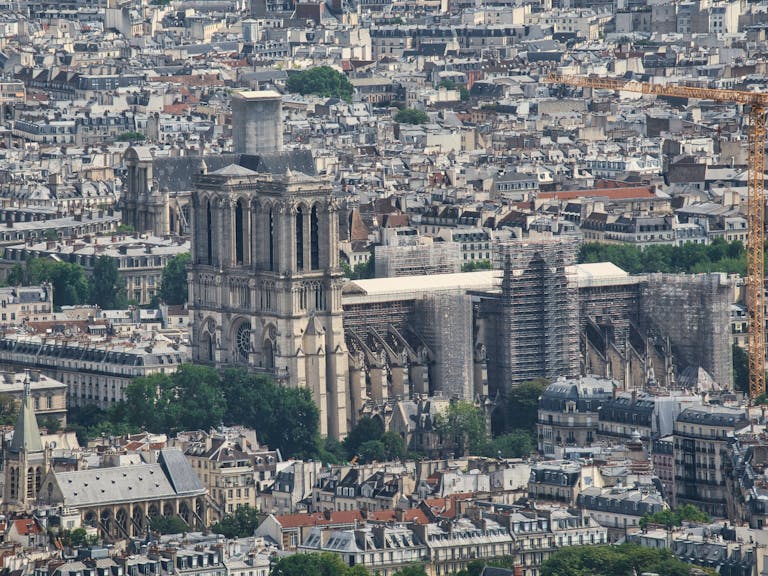
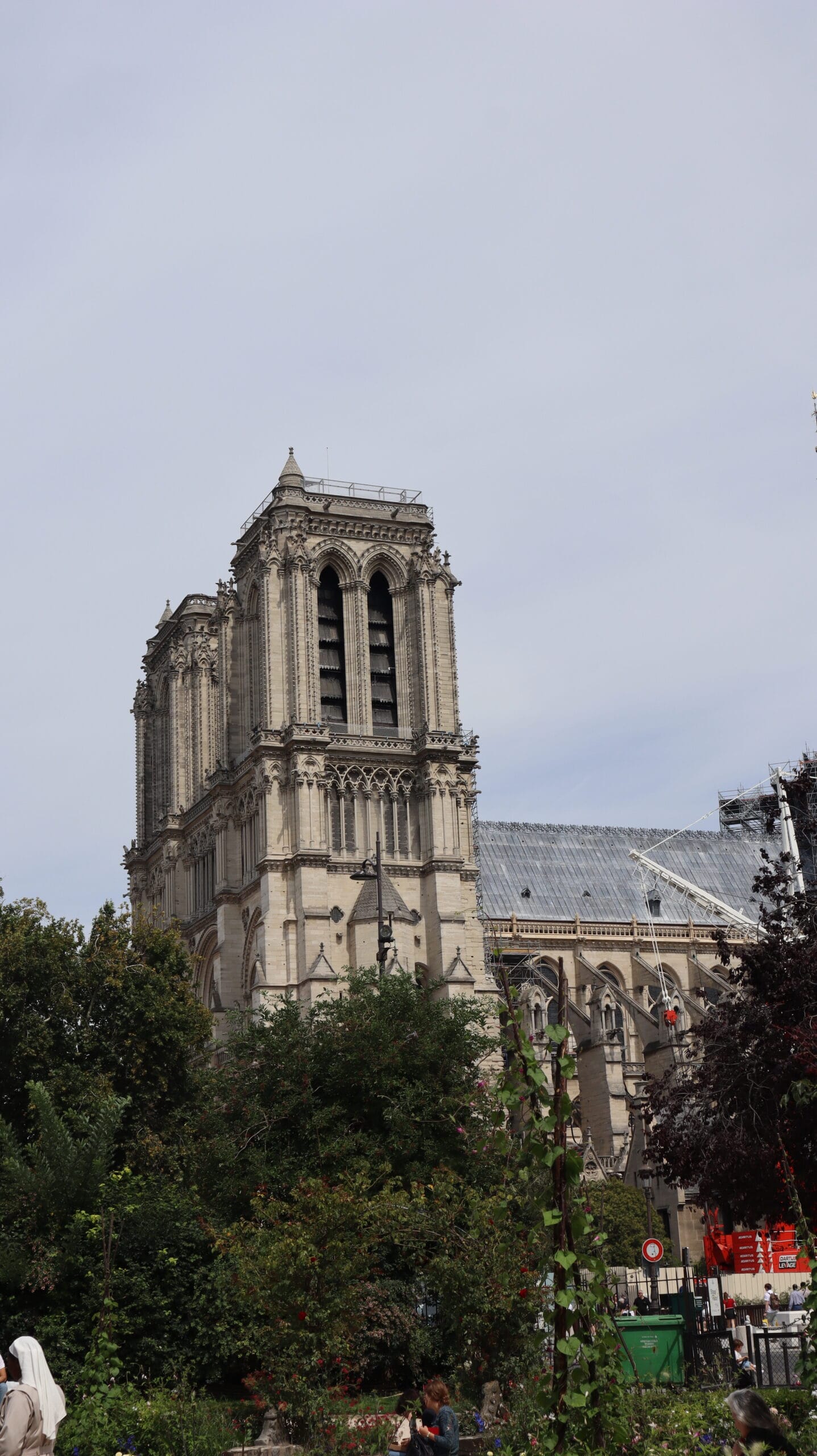
Notre Dame Paris – For years, the world watched and waited. After the devastating fire of 2019, the silhouette of Notre-Dame de Paris, the very heart of France, was marked by scaffolding and silence. Now, in 2025, that silence is broken. The great cathedral has reopened its doors, and its timeless beauty is once again ready to be shared.
But what does a visit to the restored Notre Dame Paris look like? How do you get tickets? What can you see inside, and what stories does its magnificent exterior tell?
This is your ultimate guide to visiting Notre Dame Paris Cathedral. We’ll cover everything from the practical details of planning your visit to the deep history etched into its stones. Whether you plan to explore on your own or join a guided tour to uncover its secrets, this guide will help you make the most of your pilgrimage to this global icon of resilience and faith.
Planning Your Visit: Tickets, Times & Practical Tips
After years of patient restoration, the doors of Notre Dame Paris are open once more. But a visit to this iconic landmark in 2025 requires a little planning to be perfect. Here we answer the most common and important questions to ensure your experience is smooth, memorable, and stress-free.
Do you need tickets for Notre Dame Paris in Paris?
This is the most important question. For the main cathedral nave, entry is free of charge. However, due to immense popularity, securing a free timed-entry reservation online is highly recommended. Without a reservation, you may face extremely long queues.
Separate, paid tickets are required for the other parts of the complex:
- The Towers (for the climb and gargoyle views)
- The Treasury (to see the sacred relics)
- The Archaeological Crypt
What are the opening hours for Notre Dame Paris?
The cathedral and its related sections have different operating hours. It’s crucial to check these before your visit. As of late 2025:
- Main Cathedral: Generally opens around 8:00 AM and closes between 7:00 PM and 10:00 PM, with extended hours on Thursdays.
- Towers: Reopening from September 20, 2025, the towers have longer hours in the autumn (until 11:00 PM) and shorter hours in the winter (until 5:30 PM).
- Treasury & Crypt: These typically operate on a standard museum schedule, closing earlier than the main cathedral and often closed on Mondays (the Crypt is closed Mondays).
What is the best time to visit Notre Dame Paris?
To avoid the largest crowds, the best time to visit Notre Dame is on a weekday morning, right as it opens. Alternatively, the extended evening hours on Thursdays offer a unique and more peaceful atmosphere. For photographers, the famous rose windows are most spectacular when the afternoon sun streams through them.
Are guided tours of Notre Dame worth it?
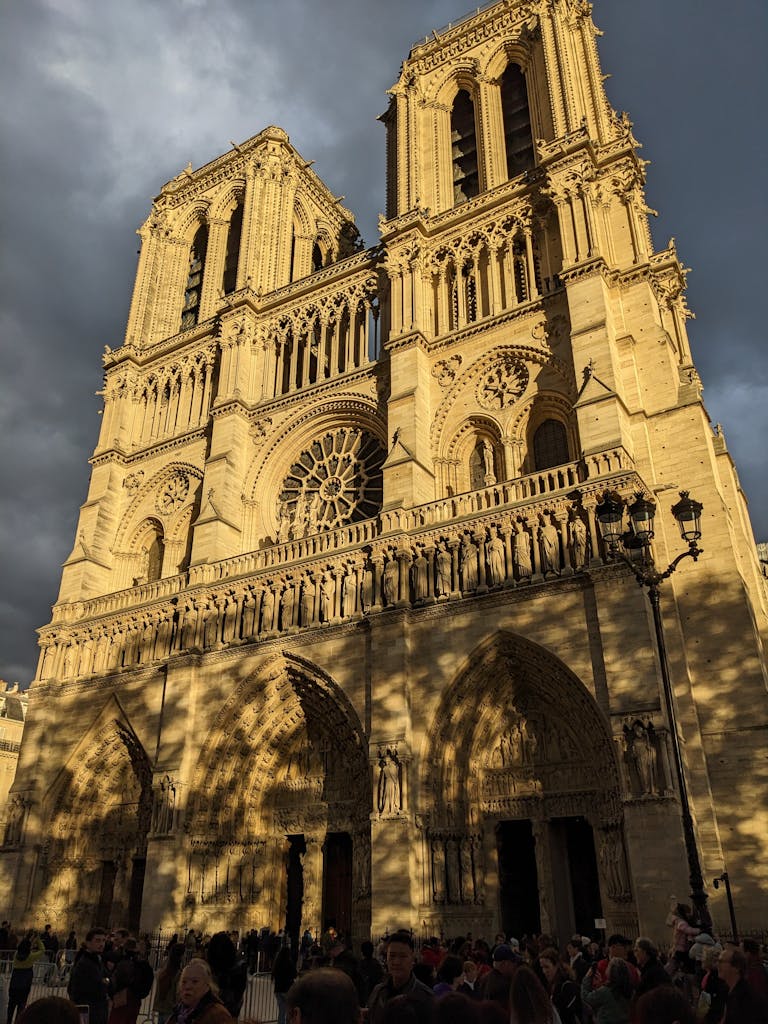
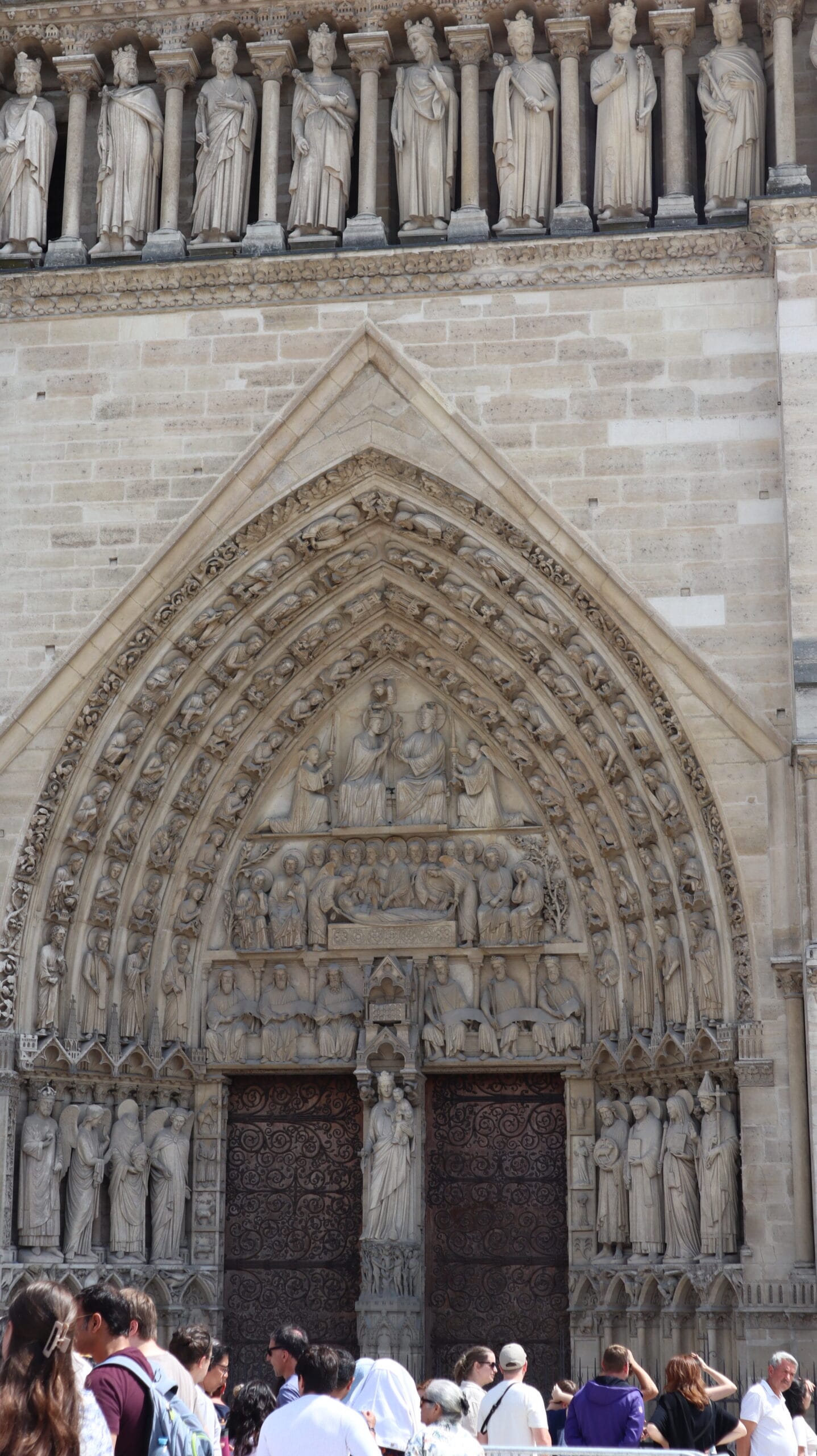
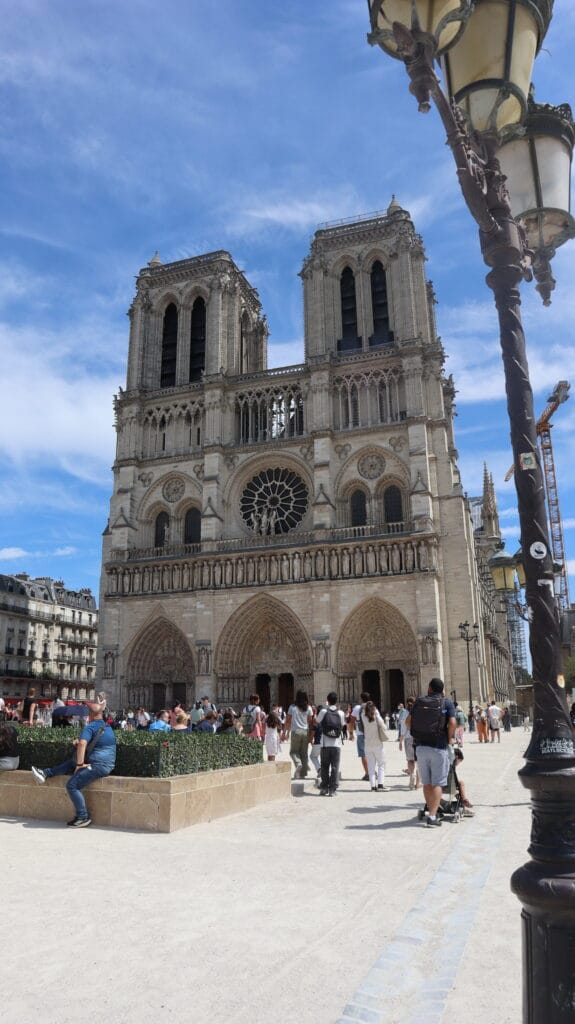
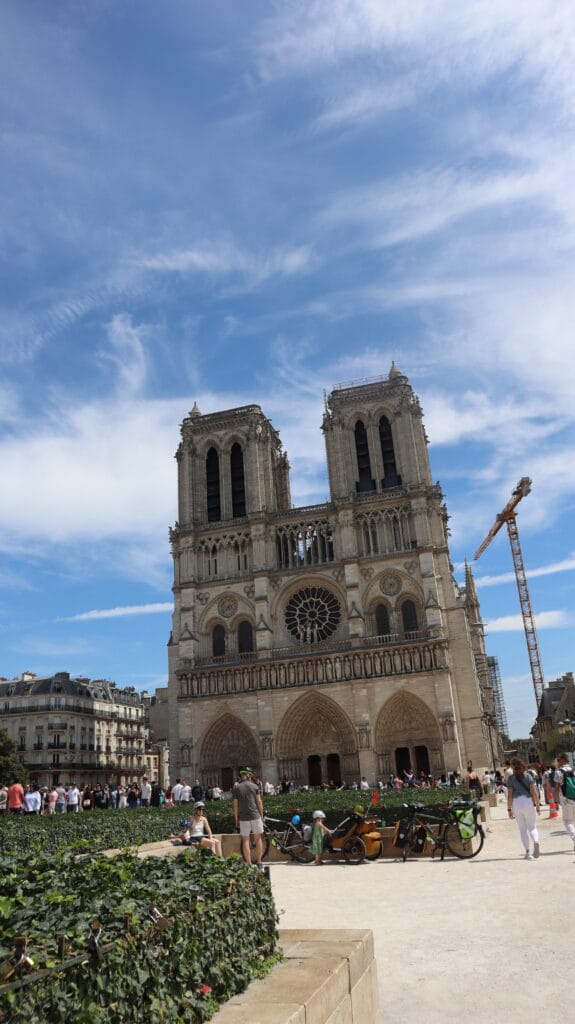
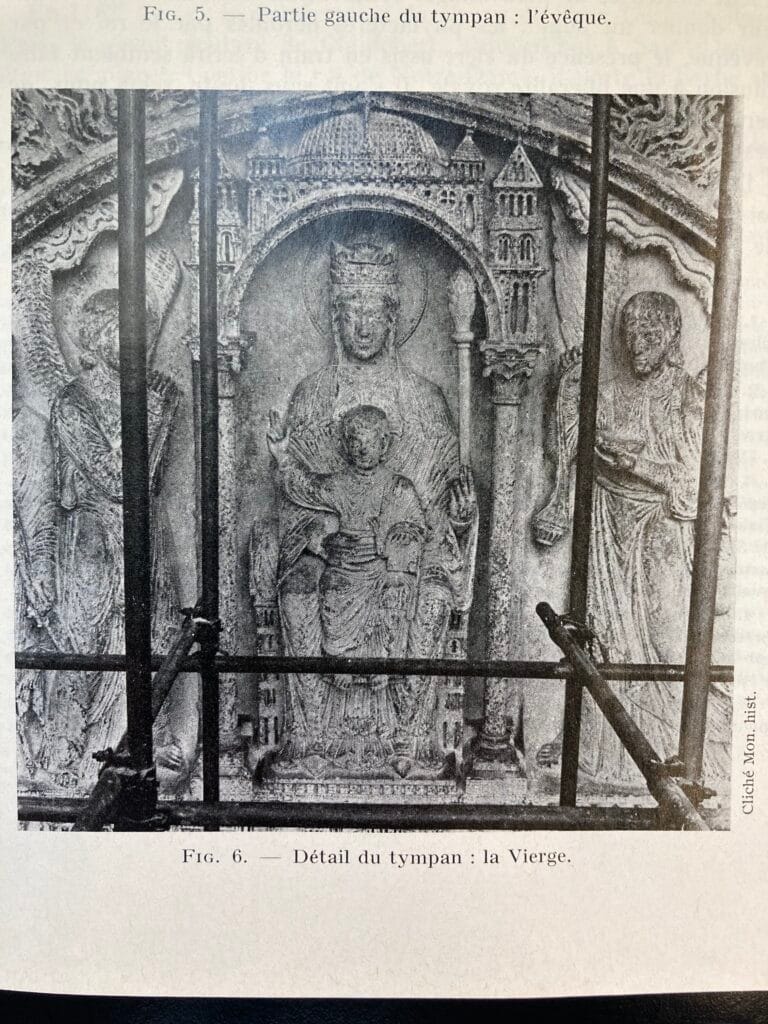
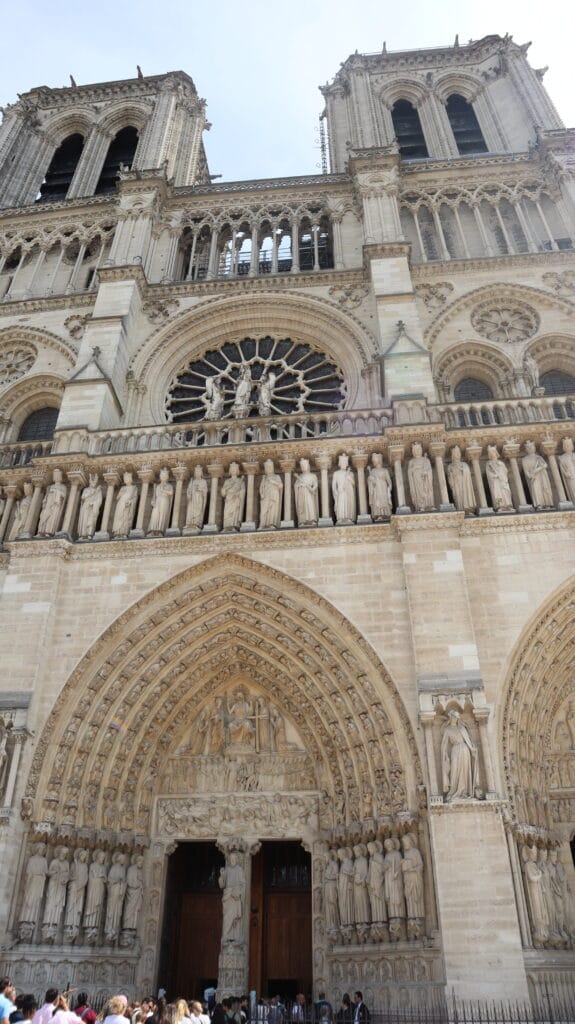
While you can visit the interior on your own, a Notre Dame Paris guided tour of the exterior is invaluable. The cathedral’s facade is a complex storybook of biblical scenes, saints, and sinners that is nearly impossible to decipher without an expert. A guide brings the architecture to life, explaining the genius of the flying buttresses and the secrets of the gargoyles. This is why our guided tours focus on providing this rich narrative context from the outside before you enter.
What to See Inside the Restored Notre Dame Paris Cathedral
Stepping into Notre Dame has always been an awe-inspiring experience, and after the restoration, it is more moving than ever. While the guided portion of our tours focuses on the exterior, here is what you should look for when you explore the inside.
What is inside Notre Dame Paris Cathedral?
The interior is a vast, soaring space designed to draw your eyes and spirit upward. As you walk through, you will see the grand nave with its massive stone pillars, the beautifully restored chapels that line the sides, and the main altar. The restoration has also cleaned centuries of dust and grime, making the stone brighter and the entire space feel more luminous than it has in generations.
What is so special about the Rose Windows?
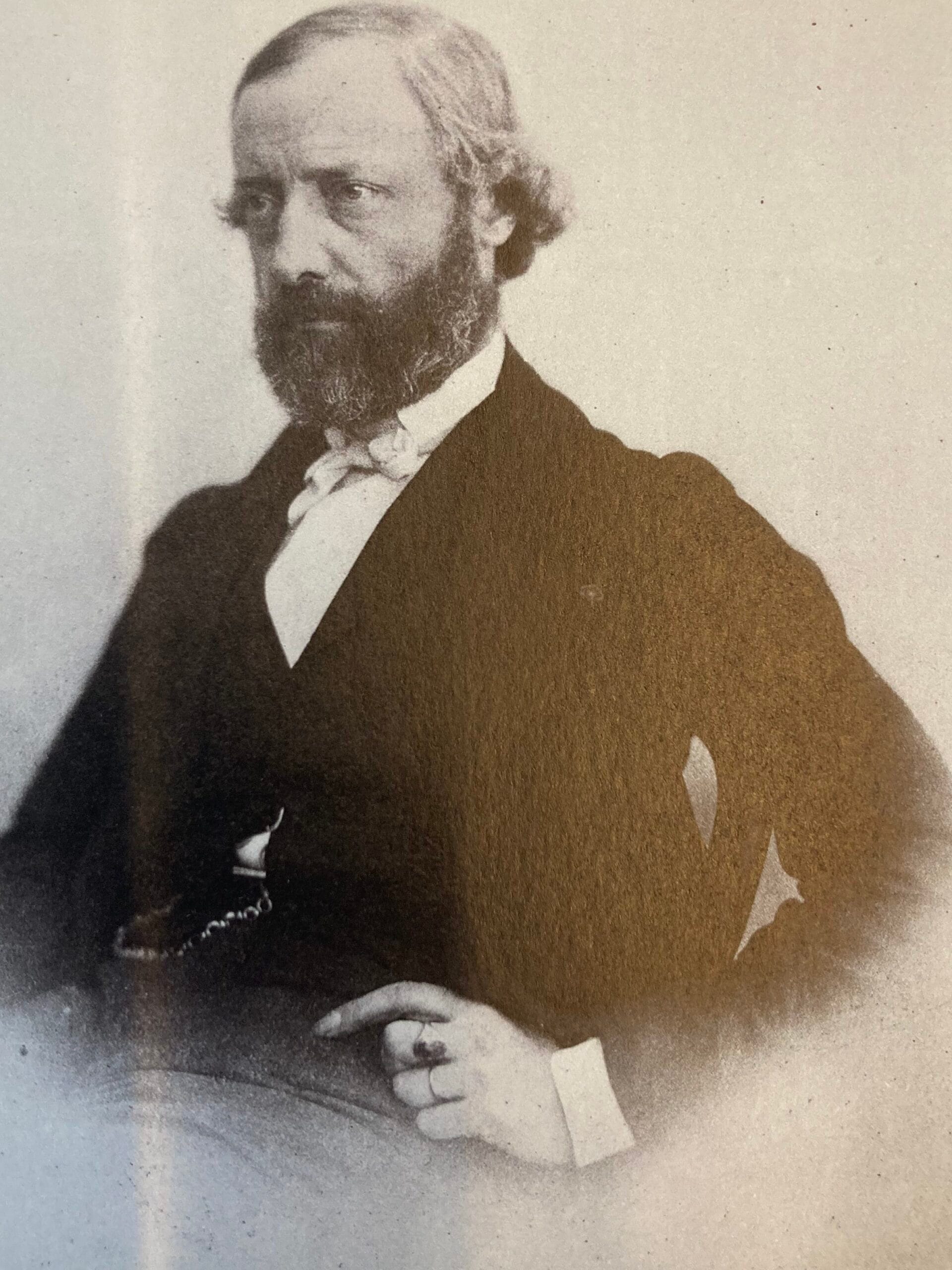
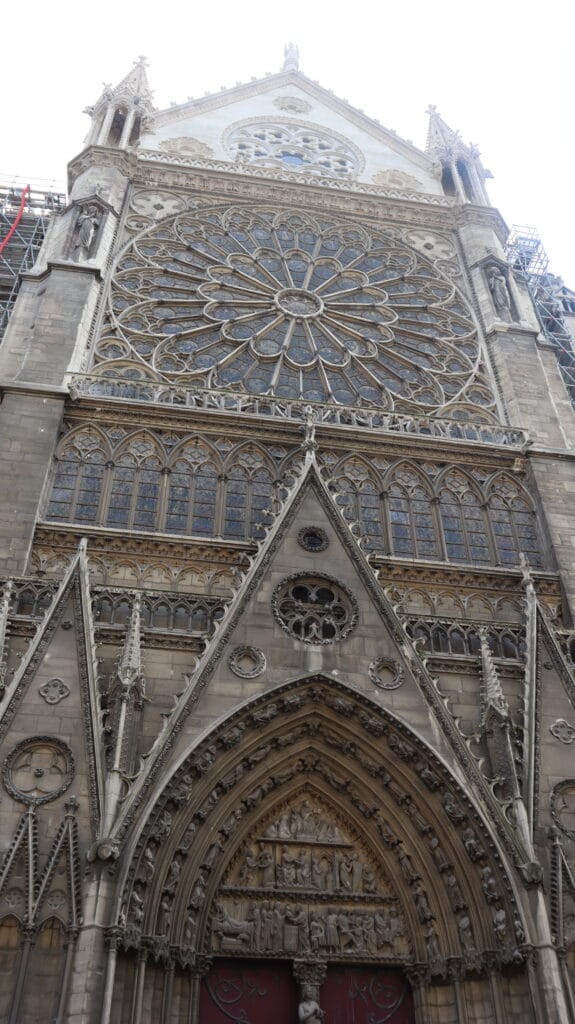
The three great Rose Windows of Notre Dame Paris are masterpieces of medieval art and engineering. The North and South Rose windows, both breathtaking, 13 meters in diameter, survived the fire and have been meticulously cleaned. They depict Old and New Testament stories in a kaleidoscopic array of vibrant, original 13th-century glass. They are considered among the greatest artistic creations of the Christian world.
Can you climb the Bell Towers?
Yes, the iconic Bell Towers are scheduled to reopen to the public from September 20, 2025(tentatively). The climb is strenuous, but it rewards you with two incredible experiences: an up-close and personal view of the famous stone gargoyles and chimeras, and one of the most spectacular panoramic views over the heart of Paris. Tickets for the towers must be booked online in advance and are separate from the cathedral entry.
The 850-Year Saga of Notre Dame Paris
Notre Dame Paris is not merely a building; it is a chronicle of Paris, written in stone, glass, and timber. Its construction was a monumental undertaking that spanned generations, and its life has mirrored the triumphs and tragedies of France itself.
The Genesis: A Vision on the Island (1163-1345)
In 1163, Bishop Maurice de Sully laid the first stone of a new cathedral that would replace the aging Cathedral of Saint-Étienne. His vision was audacious: to build a church in the new “Gothic” style, one that would soar to unprecedented heights and be filled with divine light. For nearly 200 years, thousands of craftsmen—masons, carpenters, sculptors, and glass masters—labored to bring this vision to life. They pioneered the use of revolutionary architectural innovations like the flying buttress to support the immense structure, creating a masterpiece that would define the Parisian skyline for centuries to come
The Royal Stage & The Revolutionary Storm (1345-1800s)
For centuries, Notre Dame Paris was the center stage for the French monarchy and the nation. It hosted royal weddings, coronations (including Napoleon Bonaparte’s), and state funerals. But during the French Revolution, the cathedral suffered greatly. Seen as a symbol of the monarchy and the church, it was desecrated, its treasures were plundered, and the statues of its kings were torn down. It was rededicated as a “Temple of Reason” and for a time, was even used as a wine warehouse, a fate that paradoxically helped protect its magnificent stained-glass windows from harm.
Neglect, a Novel, and a Grand Restoration (1800s – 2019)
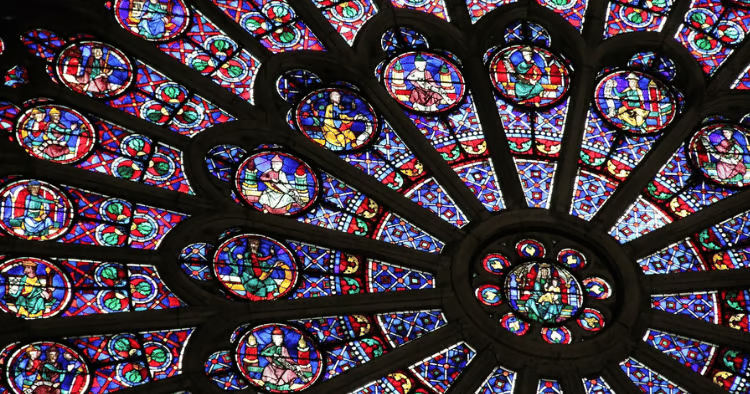
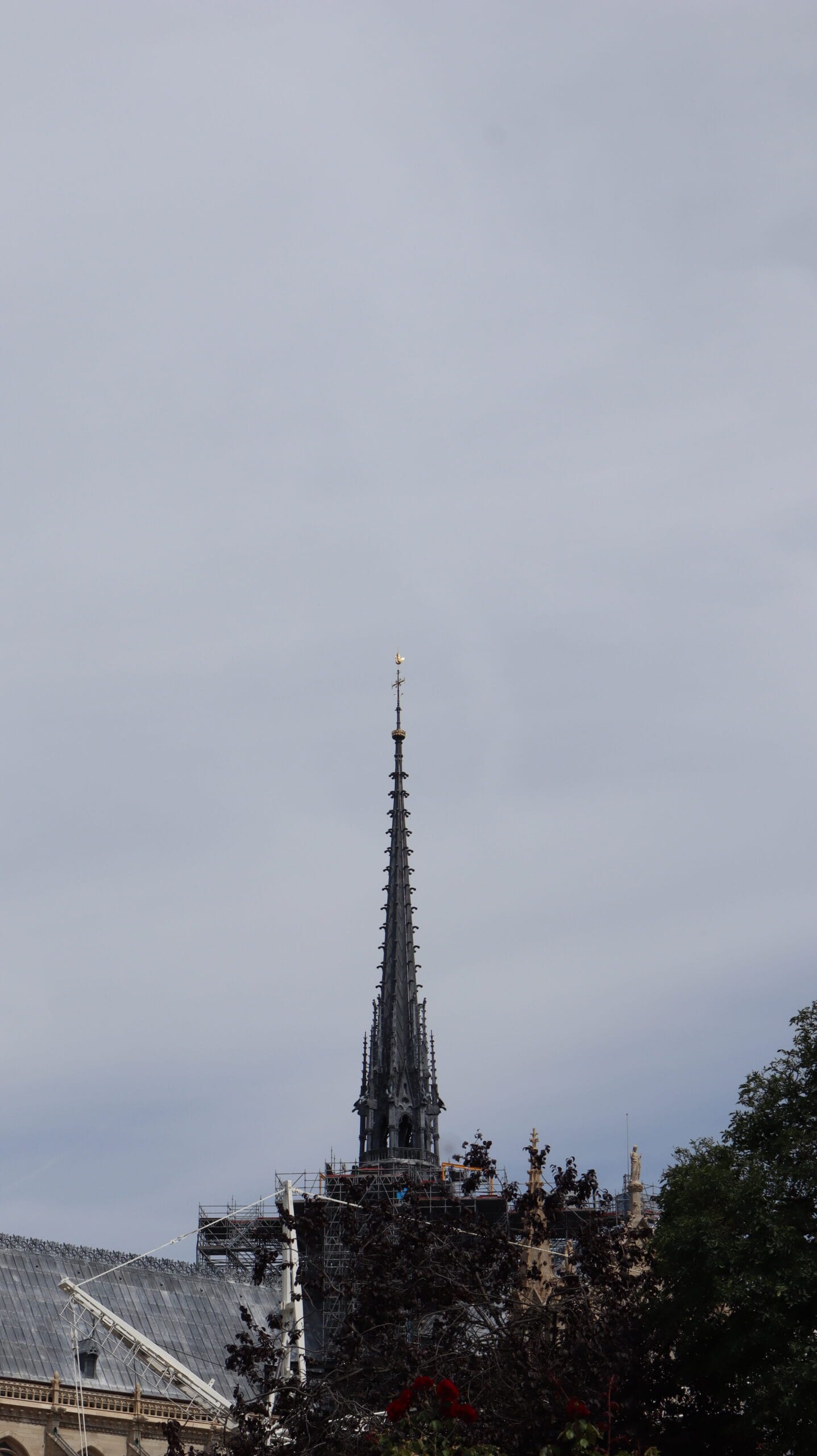
By the 19th century, the cathedral was in a state of near ruin. It was Victor Hugo’s hugely successful 1831 novel, Notre-Dame de Paris (The Hunchback of Notre-Dame), that reawakened public love for the monument and sparked a national campaign for its restoration. The massive, 25-year project, led by architect Eugène Viollet-le-Duc, not only repaired the cathedral but also added many of its most famous features, including the iconic central spire (the flèche) and the monstrous chimera statues on the towers.
Stepping Inside: The Restored Beauty of Notre Dame Paris
For years, the interior of Notre Dame Paris was a scene of meticulous, painstaking restoration. Now, visitors can once again step inside and experience its soaring, sacred space. The restoration has not only repaired the damage but has also cleaned centuries of dust and grime, revealing the brilliant, light-colored stone as it was meant to be seen.
The Grand Nave and the Restored Altar
As you enter, the sheer scale of the grand nave is breathtaking. The massive stone pillars and ribbed vaults draw your eyes upward toward the heavens, a hallmark of Gothic design. At the far end, the main altar, which survived the fire, has been beautifully restored. Look for the famous “Pieta” sculpture by Nicolas Coustou behind the altar, which remained remarkably intact.
The Glory of the Rose Windows
The three great Rose Windows of Notre Dame Paris are among the most famous stained-glass windows in the world. Miraculously, they survived the fire with minimal damage and have been meticulously cleaned.
- The South Rose Window, a gift from King St. Louis in the 13th century, is a masterpiece depicting the story of the New Testament.
- The North Rose Window, even older and with much of its original 13th-century glass, depicts the Old Testament.
- The West Rose Window, located over the main entrance, tells the story of the Virgin Mary.
The Great Organ and the Bell Towers
Notre Dame Paris’s Great Organ, one of the most famous in the world with nearly 8,000 pipes, was saved from the fire and has been completely restored. While you may not hear it on a standard visit, its presence is a symbol of the cathedral’s enduring voice. For those willing to make the climb (with a separate ticket), the Bell Towers offer an up-close view of the famous bells, including the massive Emmanuel bell, and provide one of the most iconic panoramic views of Paris.
Notre Dame Paris’s Gargoyles, Chimeras & Vicious Creatures
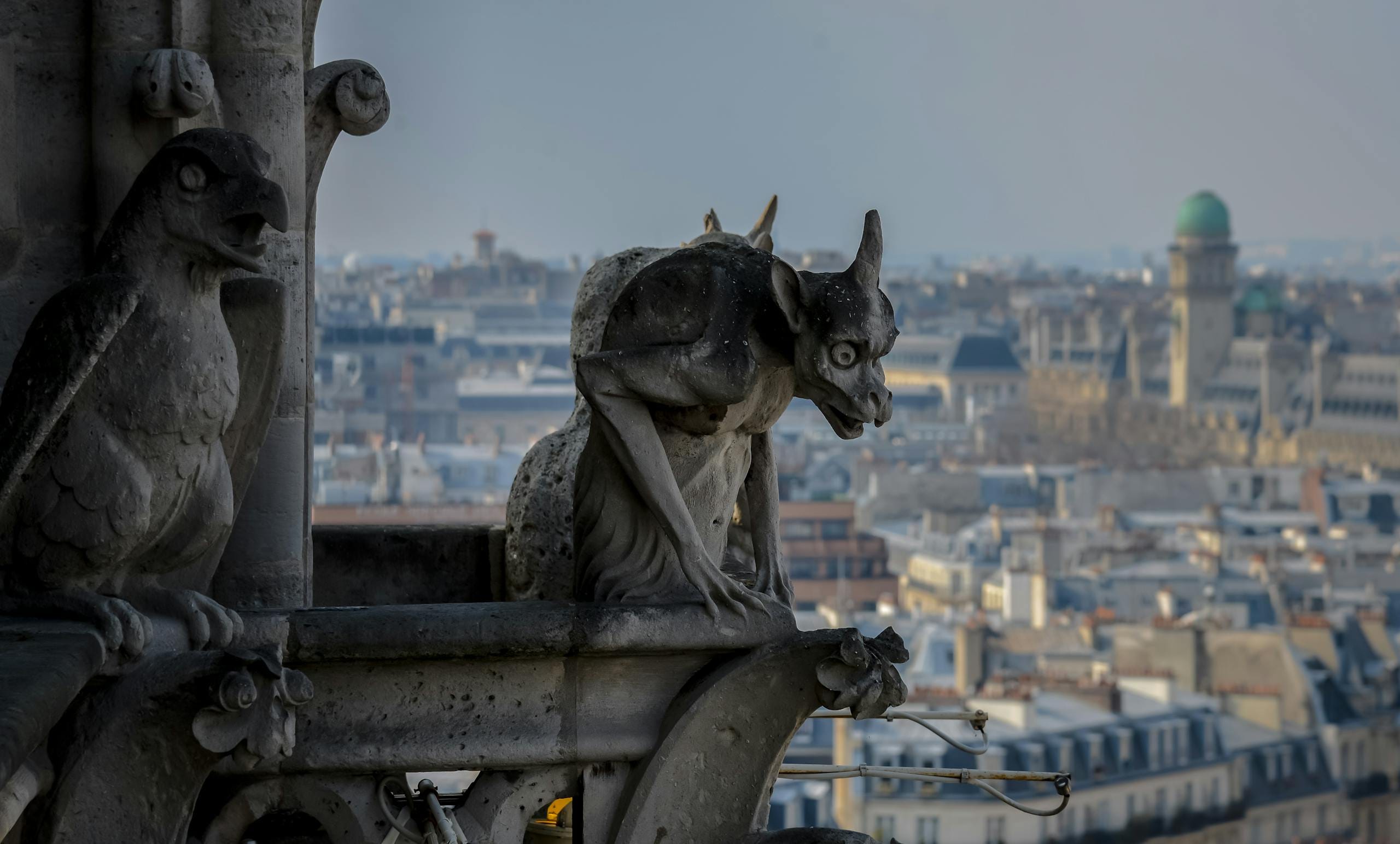
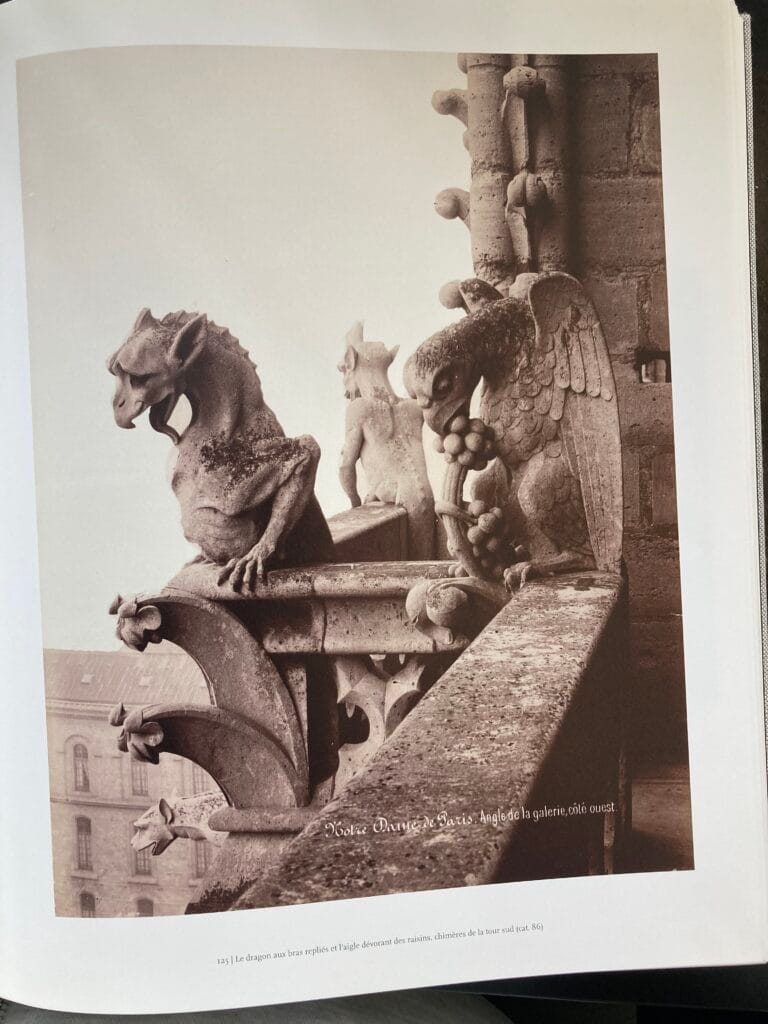
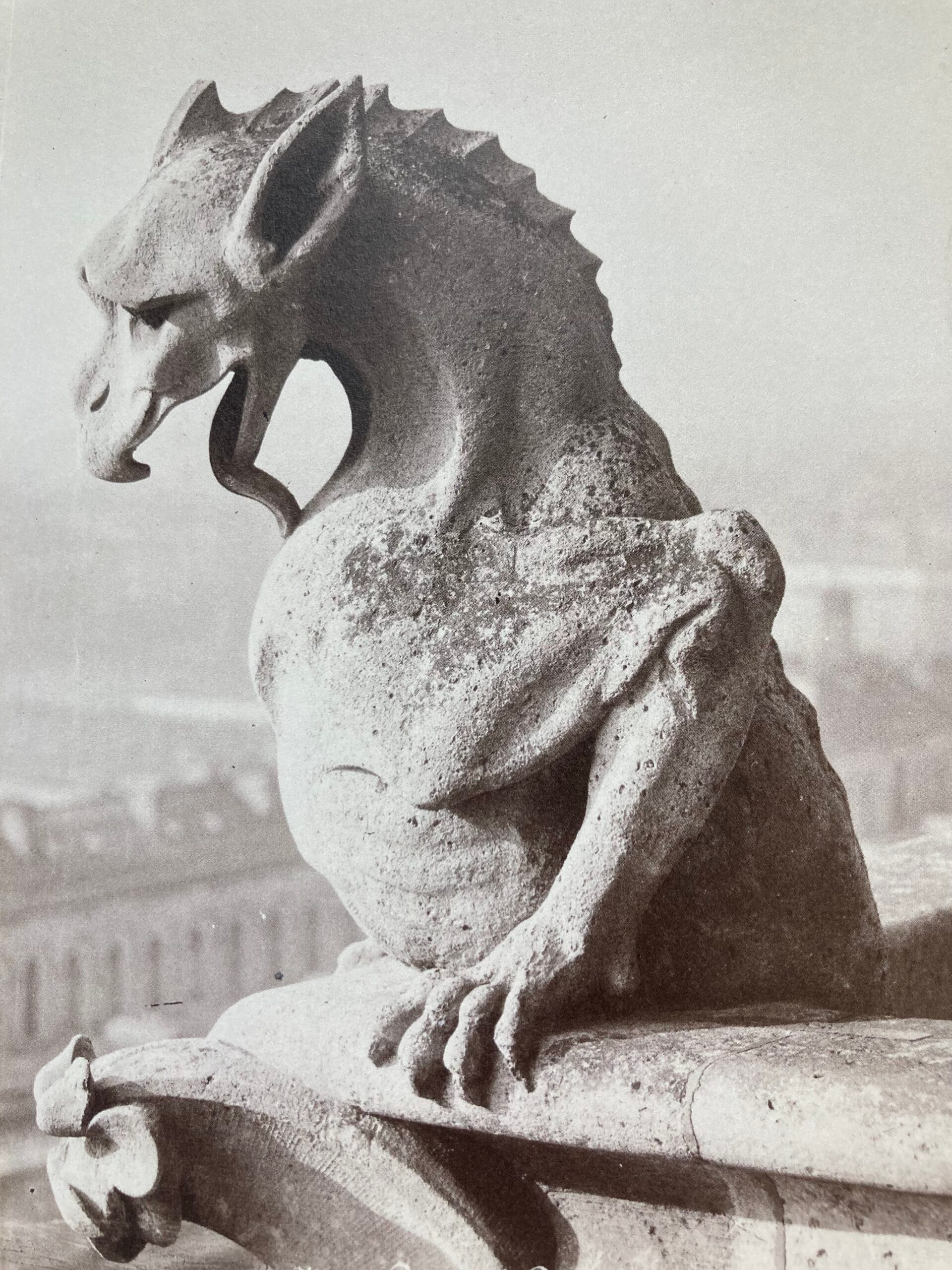
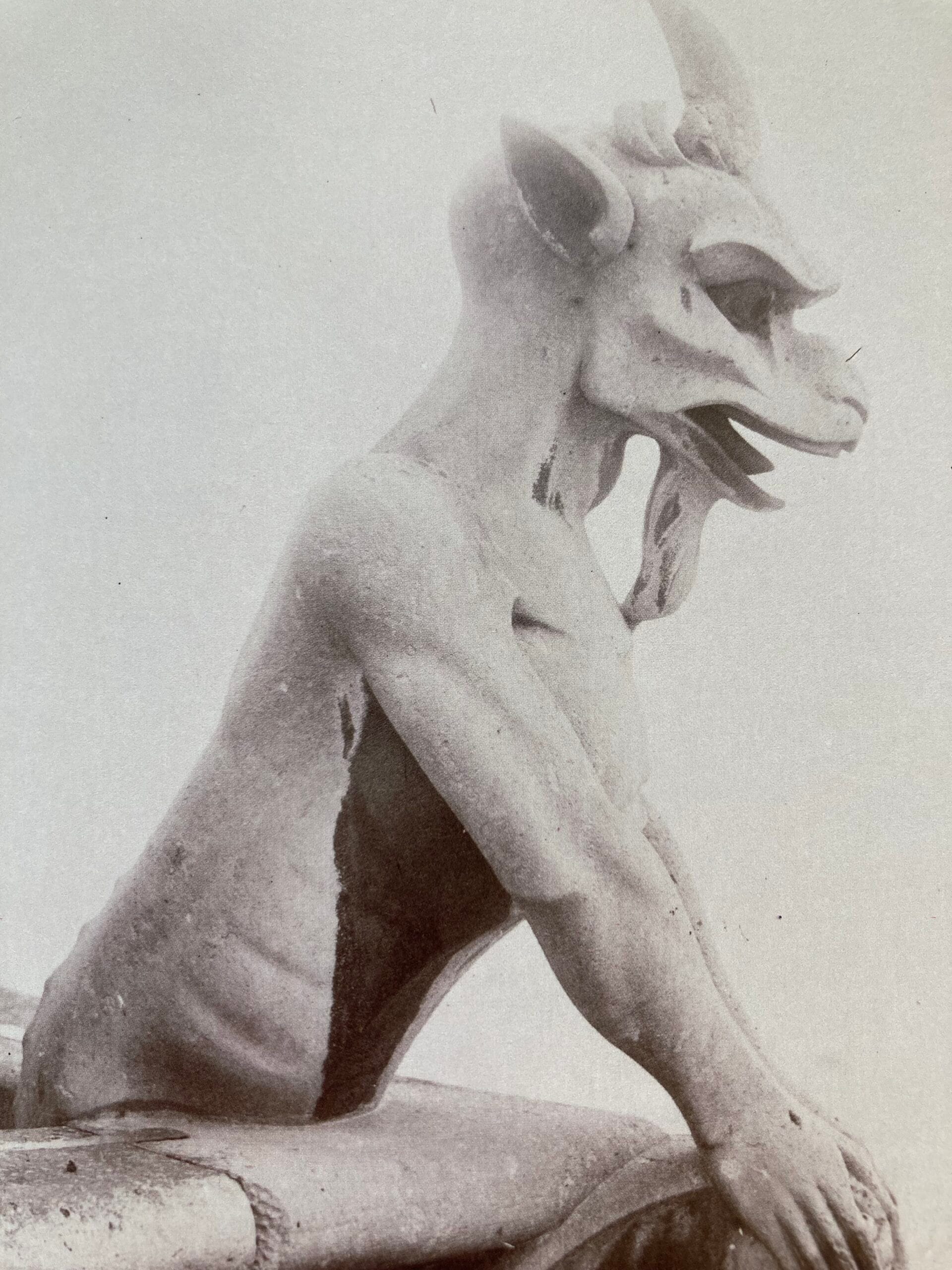
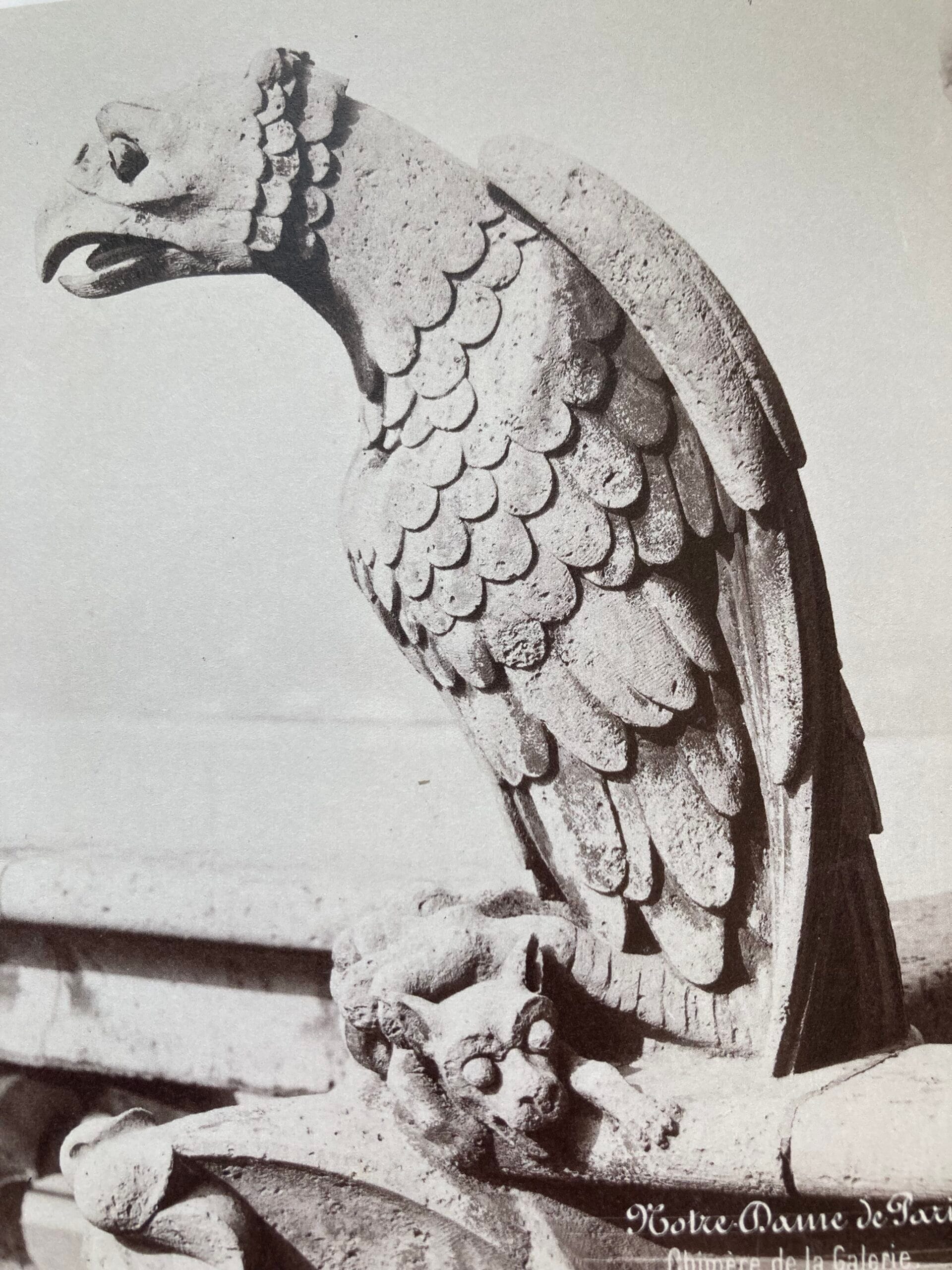
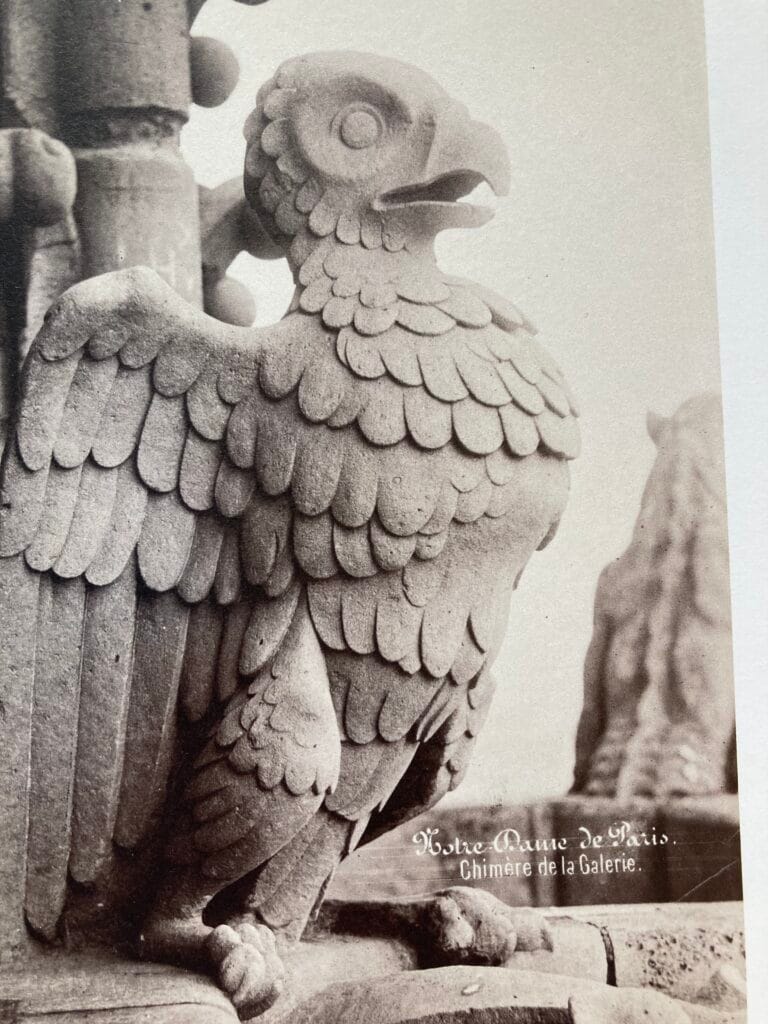
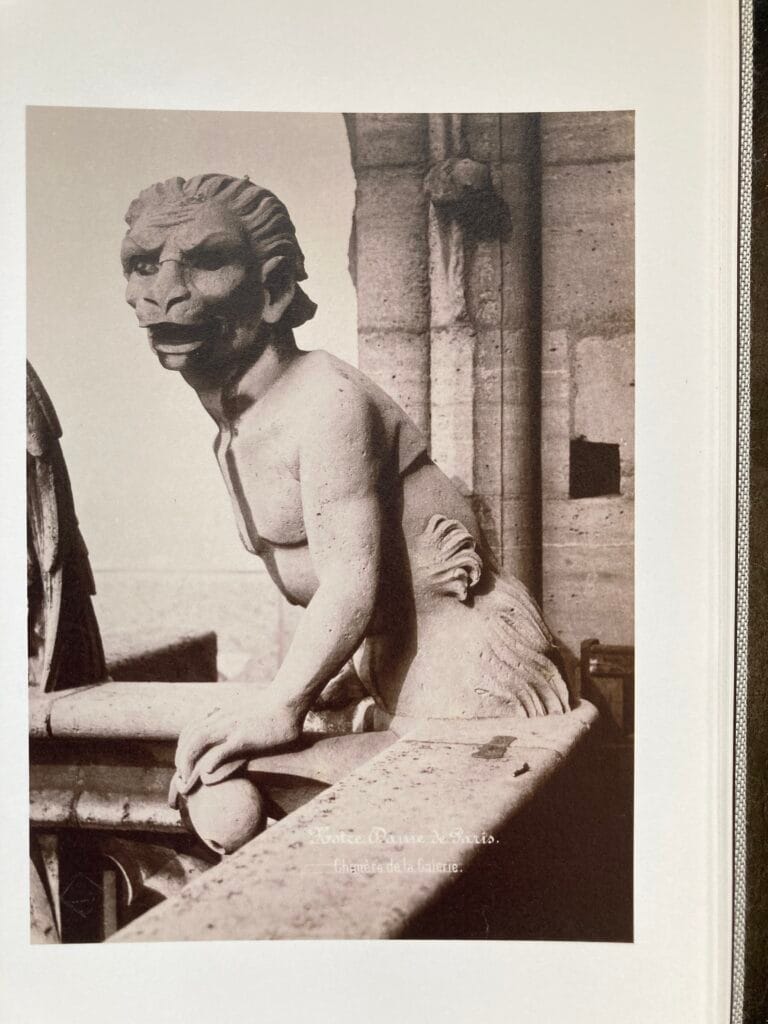
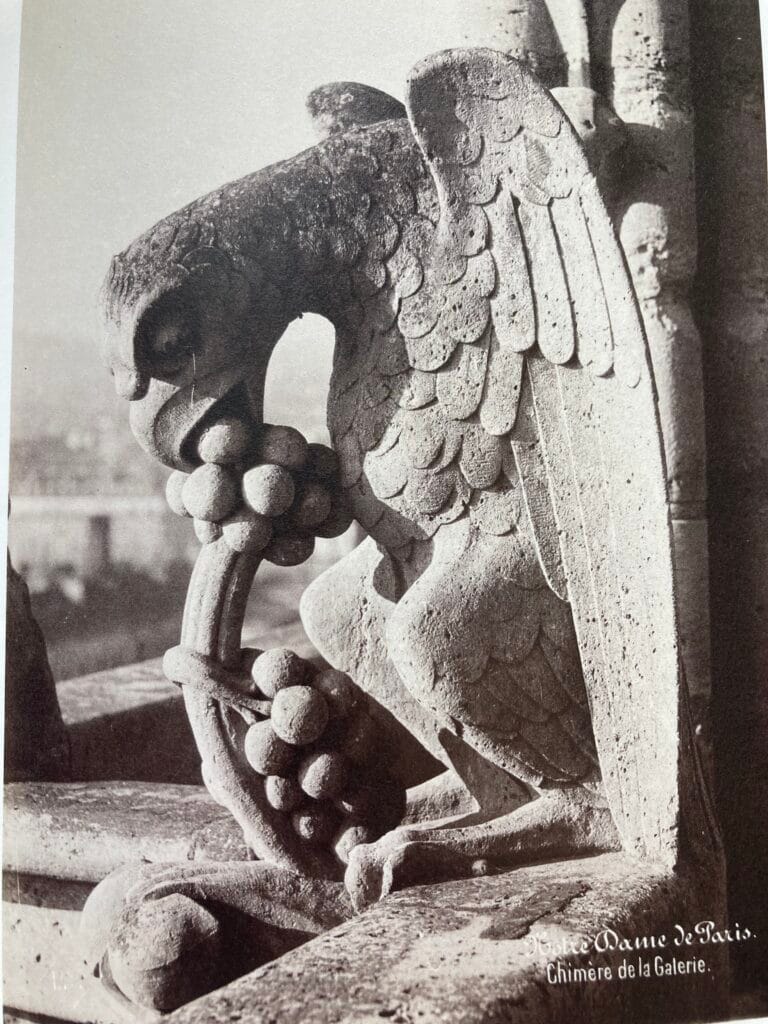
Perched high on the cathedral walls, a collection of monstrous and fantastic stone creatures gaze out over Paris. These are Notre Dame Paris’s most mysterious residents, but they are not all what they seem.
What is the difference between Gargoyles and Chimeras?
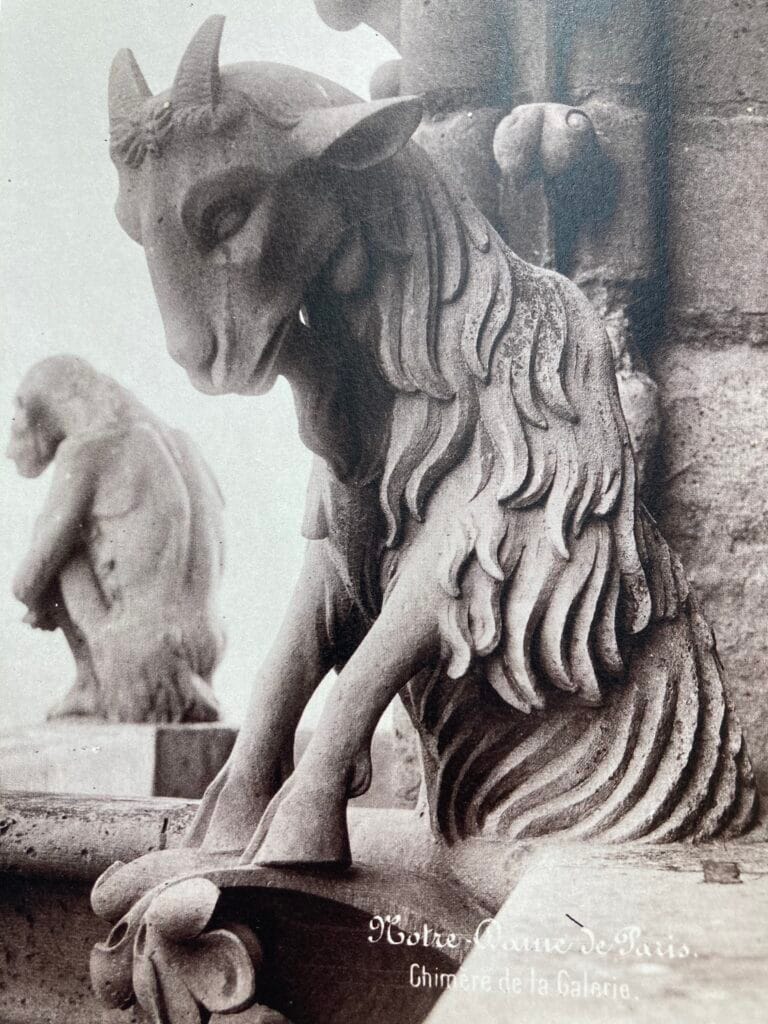
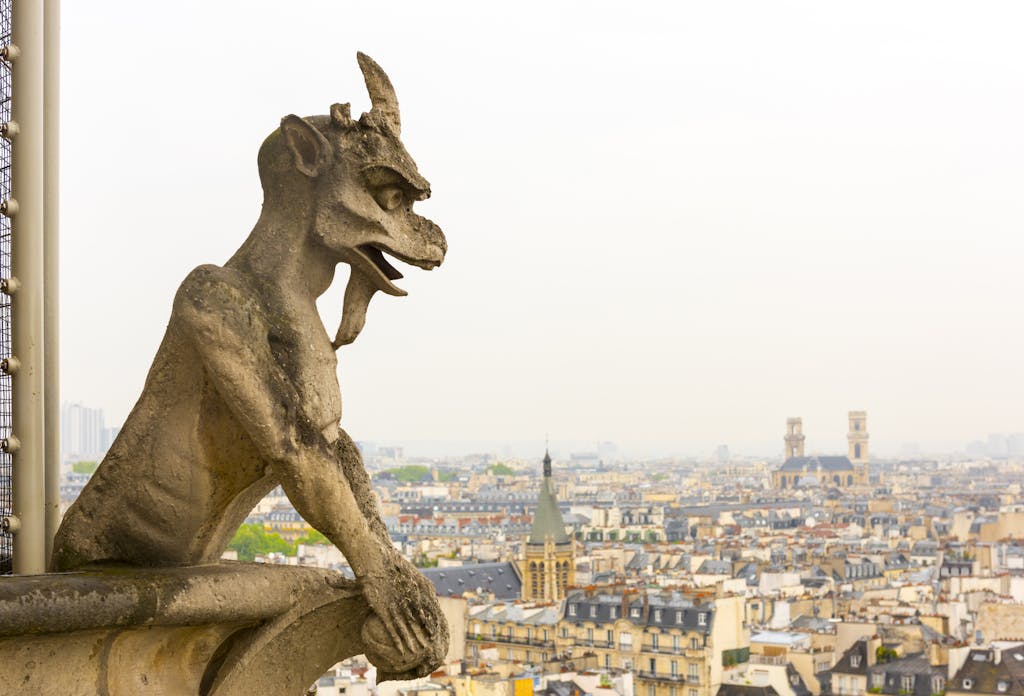
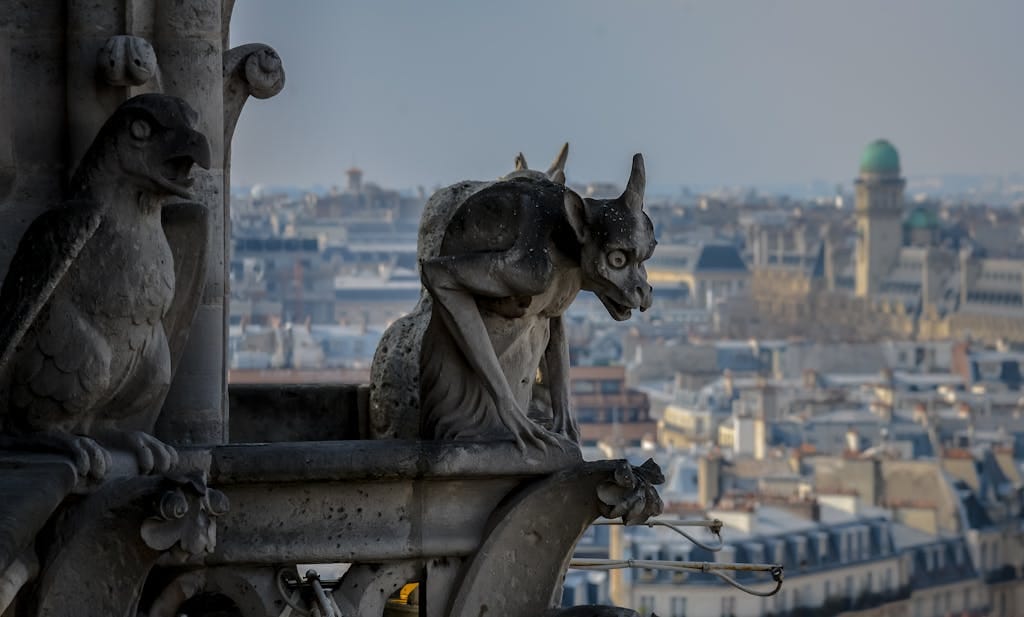
This is a very common question. Gargoyles are the functional monsters; they are essentially decorative waterspouts, carved to drain rainwater away from the stone walls to prevent erosion. The word “gargoyle” comes from the French gargouille, meaning “throat.” Chimeras (or grotesques), on the other hand, are purely decorative. These are the famous, demonic-looking statues that sit on the balustrade of the Gallery of Kings, like the iconic Stryge resting its head in its hands. Interestingly, these famous chimeras are not medieval; they were added by architect Viollet-le-Duc during his 19th-century restoration to enhance the Gothic atmosphere.
The Sacred Treasures of Notre Dame Paris
While the architecture itself is a treasure, Notre Dame Paris was also home to some of the most revered relics in all of Christendom. Miraculously saved from the 2019 fire, these sacred objects are housed in the cathedral’s Treasury.
The Crown of Thorns
The most precious and famous relic is what is believed to be the Crown of Thorns worn by Jesus Christ during his passion. It was acquired by King Louis IX in 1239. It was this relic that inspired the king to build the magnificent Sainte-Chapelle as its original shrine. The Crown is a circlet of woven rushes, with the thorns themselves having been distributed to other churches over the centuries.
A Fragment of the True Cross & a Holy Nail
The Treasury also holds two other relics of the Passion: a small piece of wood believed to be from the cross on which Jesus was crucified, and one of the Holy Nails said to have been used in the crucifixion. These objects made Notre Dame Paris a major pilgrimage destination for centuries.
Final Tips for Your Visit
You’re now equipped with the history and context to truly appreciate Notre Dame Paris. Here are a few final answers to common logistical questions that will make your visit seamless.
What is the dress code for Notre Dame Paris?
As Notre Dame Paris is an active place of Catholic worship, respectful attire is required for entry into the main cathedral. It is recommended that both men and women ensure their shoulders and knees are covered. Hats should also be removed upon entering.
How far is Notre Dame Paris from the Eiffel Tower?
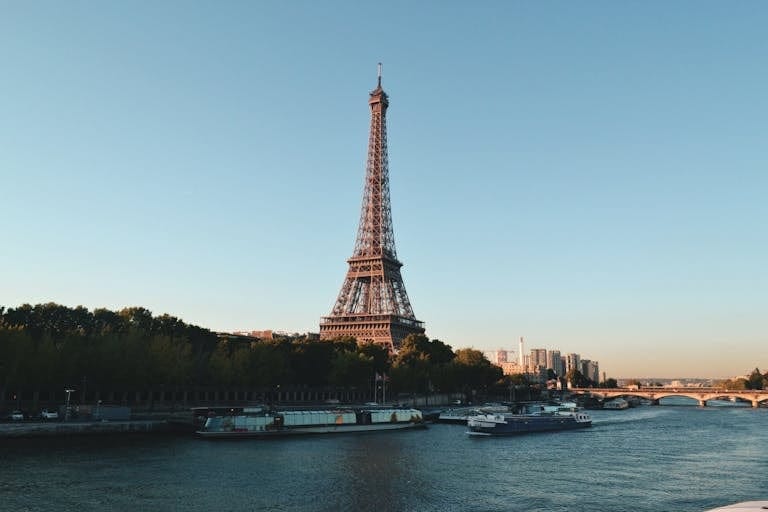
Notre Dame Paris and the Eiffel Tower are approximately 4.5 kilometers (about 2.8 miles) apart. It’s a beautiful, long walk along the Seine that takes about an hour. Alternatively, you can take the RER C train directly between the two landmarks in about 15-20 minutes.
What else is there to see near Notre Dame Paris?
Notre Dame Paris is located on the Île de la Cité, the historic heart of Paris. After your visit, you are just a few steps away from other major landmarks, including the breathtaking stained glass of Sainte-Chapelle and the historic Conciergerie prison. (You can read our full guide to Île de la Cité here).
Experience the Stories with a Guided Tour
Reading about Notre Dame Paris is one thing, but exploring it with a passionate storyteller brings its 850-year history to life. Our tours are designed to go beyond the facts and connect you with the soul of Paris.

Description: This tour is exclusively for you. We move at your pace, linger where you wish, and focus on what fascinates you. Forget rigid schedules; this experience is yours to shape. Choose your own finale: the dazzling Sainte-Chapelle or the ancient Crypt. As a passionate local guide, I share the living stories behind the stones, not a lecture.
Itinerary:
- Cathédrale Notre-Dame de Paris (Exterior, at your pace)
- Les Bouquinistes (UNESCO Heritage)
- Shakespeare and Company (Iconic bookshop visit)
- (If Selected) Guide escorts you to your chosen monument (Sainte-Chapelle or Crypt) for your self-guided visit.
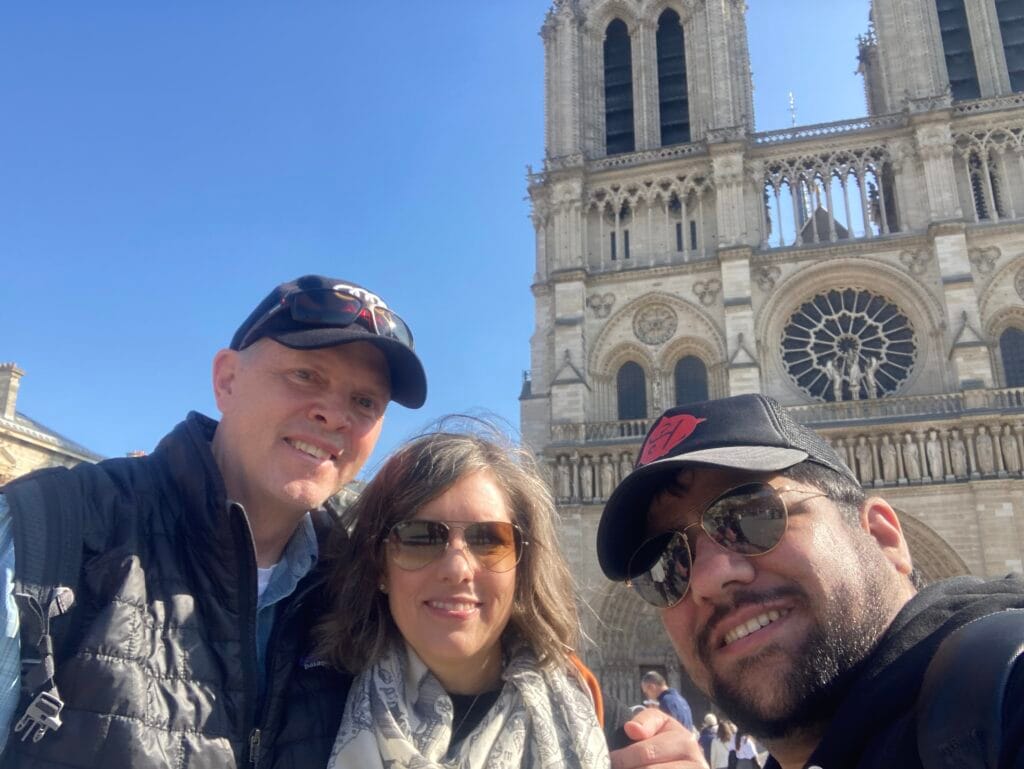
Description: Our tour is designed to be the perfect start to your day. You start by going inside the Cathedral first (to avoid crowds). Enjoy a serene, self-guided visit inside, then rejoin your guide for a 1-hour guided tour of the stunning exterior, where you’ll uncover the secrets of its Gothic architecture, gargoyles, and history. You have option to add Grande Mosquée tour, Sainte Chapelle, or 24 Hours Big Bus Tour.
Itinerary:
- Cathédrale Notre-Dame de Paris (Exterior, at your pace)
- Les Bouquinistes (UNESCO Heritage)
- Shakespeare and Company (Iconic bookshop visit)
- (If Selected) Guide escorts you to Grand Mosque or Sainte Chapelle, or hands you the tickets of Big Bus (valid for 24 hours).

Description: At Scenic Zest, we believe in experiencing Paris your way! What truly sets our tour apart is the power of choice. Start with our captivating walking tour and then customize your adventure by adding optional tickets for quick entry to the dazzling Sainte-Chapelle, the ancient Crypt, or the revolutionary Conciergerie.
Itinerary:
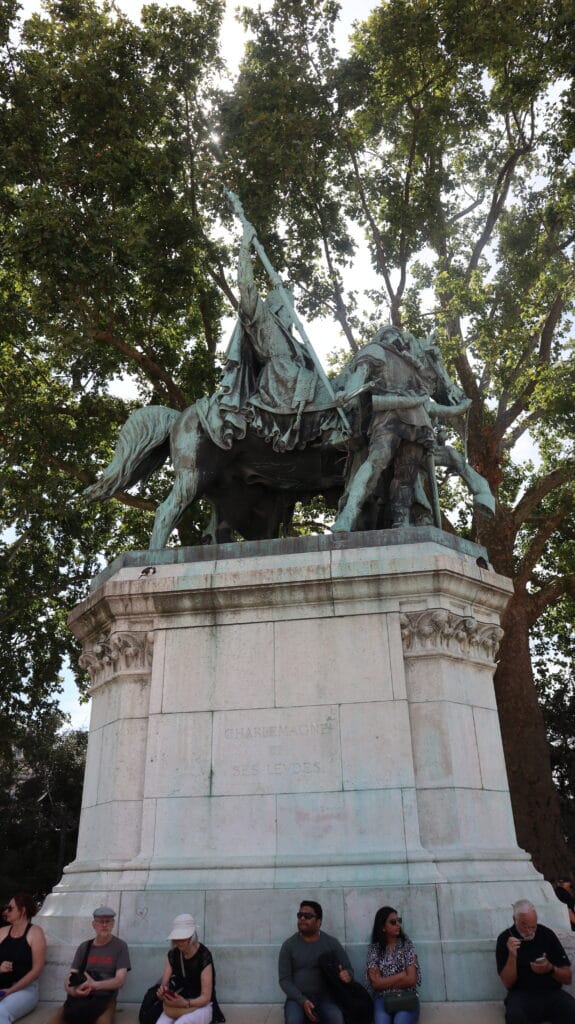
- Statue of Charlemagne (Introduction)
- Quai De Montebello (Facade & Gargoyles)
- Les Bouquinistes (UNESCO Heritage)
- Quai de l’Archevêché (Haussmannian architecture)
- Self-guided visit to Sainte-Chapelle, Crypt, or Conciergerie (if option selected)
Description: Uncover the captivating tales of Notre Dame on this engaging outdoor walking tour. Explore the stunning exterior of this architectural marvel as you delve into the secrets of its famous gargoyles and impressive flying buttresses. Led by a passionate local guide, you will join an intimate small group for a unique storytelling experience.
Itinerary:
- Statue of Charlemagne (Introduction – 20 Mints)
- Notre-Dame (Full 45-minute exterior guided tour)
- Les Bouquinistes (UNESCO Heritage)
- Quai de l’Archevêché (Haussmannian architecture)
- Concludes outside Sainte-Chapelle
Your Journey Through the Heart of Paris
From its miraculous survival to its painstaking restoration, Notre Dame Paris Cathedral is more than just a monument; it’s a testament to the enduring spirit of Paris. We’ve journeyed through its 850-year history, uncovered the secrets of its stone guardians, and stepped inside to witness its renewed splendor. This guide has equipped you with the practical knowledge to plan your visit, but the true magic lies in experiencing it for yourself.
To truly connect with the soul of the cathedral, consider exploring it with an expert. A Notre Dame guided tour transforms a simple visit into an unforgettable story.
FAQ
When was Notre Dame Paris Cathedral built?
The construction of Notre Dame Paris was a monumental medieval project that began in 1163. The main structure was largely completed by 1260, but work continued for nearly a century, with the cathedral officially considered finished around 1345.
What is Notre Dame Paris most famous for?
Notre Dame Paris is famous for being one of the finest examples of French Gothic architecture in the world. It’s renowned for its revolutionary use of flying buttresses, its three spectacular stained-glass Rose Windows, its iconic bell towers, and its collection of priceless Christian relics, including the Crown of Thorns.
Do you need tickets to enter Notre Dame Paris?
Entry to the main cathedral is free, but a free timed-entry reservation online is highly recommended to avoid very long queues. Separate paid tickets, which must be bought in advance online, are required to climb the Towers or visit the Archaeological Crypt.
What are the opening hours?
The main cathedral is generally open from around 8:00 AM to 7:00 PM, with extended hours on Thursdays. However, the Towers and Treasury have different, often shorter, operating hours. It is essential to check the official website for the exact times on the day of your visit.
Can you climb the Bell Towers?
Yes, the iconic Bell Towers are scheduled to reopen to the public from September 20, 2025. The climb offers an up-close view of the famous gargoyles and one of the most spectacular panoramic views of Paris. Tickets must be booked online in advance.
What is the dress code for Notre Dame?
As it is an active place of Catholic worship, respectful attire is required. It is recommended that both men and women ensure their shoulders and knees are covered. Hats should also be removed upon entering.
What are the gargoyles on Notre Dame?
The stone creatures on Notre Dame are of two types. Gargoyles are the functional waterspouts designed to drain rainwater from the roof. The more famous, demonic-looking statues are actually Chimeras (or grotesques), which are purely decorative and were added in the 19th century
What is the Crown of Thorns?
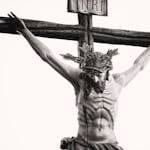
The Crown of Thorns is the cathedral’s most sacred relic, believed to be the one placed on the head of Jesus Christ during his passion. It was acquired by King Louis IX in 1239 and was miraculously saved from the 2019 fire.
What is “Point Zéro” in front of the cathedral?
Set into the paving stones of the square is a bronze star called “Point Zéro.” This marker is the official geographic center of Paris, from which all road distances in France are measured.
Are guided tours of Notre Dame worth it?
Absolutely. While you can enter the cathedral on your own, a guided tour of the exterior transforms your visit. An expert guide can decipher the complex stories carved into the facade and explain the architectural genius you would otherwise miss, providing essential context before you step inside